


What Every Buyer Needs to Know Before Purchasing
By Kai Ioh and KE TEAM Hawaii
Kai Ioh is a luxury real estate advisor based in Kona, Hawai‘i, specializing in resort and ultra-high-net-worth markets across the Big Island.
Key Takeaways
- Oceanfront properties in Hawai‘i vary widely in safety, shoreline behavior, and long-term risk.
- There are no private beaches in Hawai‘i, and shoreline access cannot be restricted.
- Coastal regulations, insurance limits, and maintenance costs materially affect ownership decisions.
- Oceanfront living is exceptional, but it requires clear expectations and experienced guidance.
Oceanfront Living on the Big Island

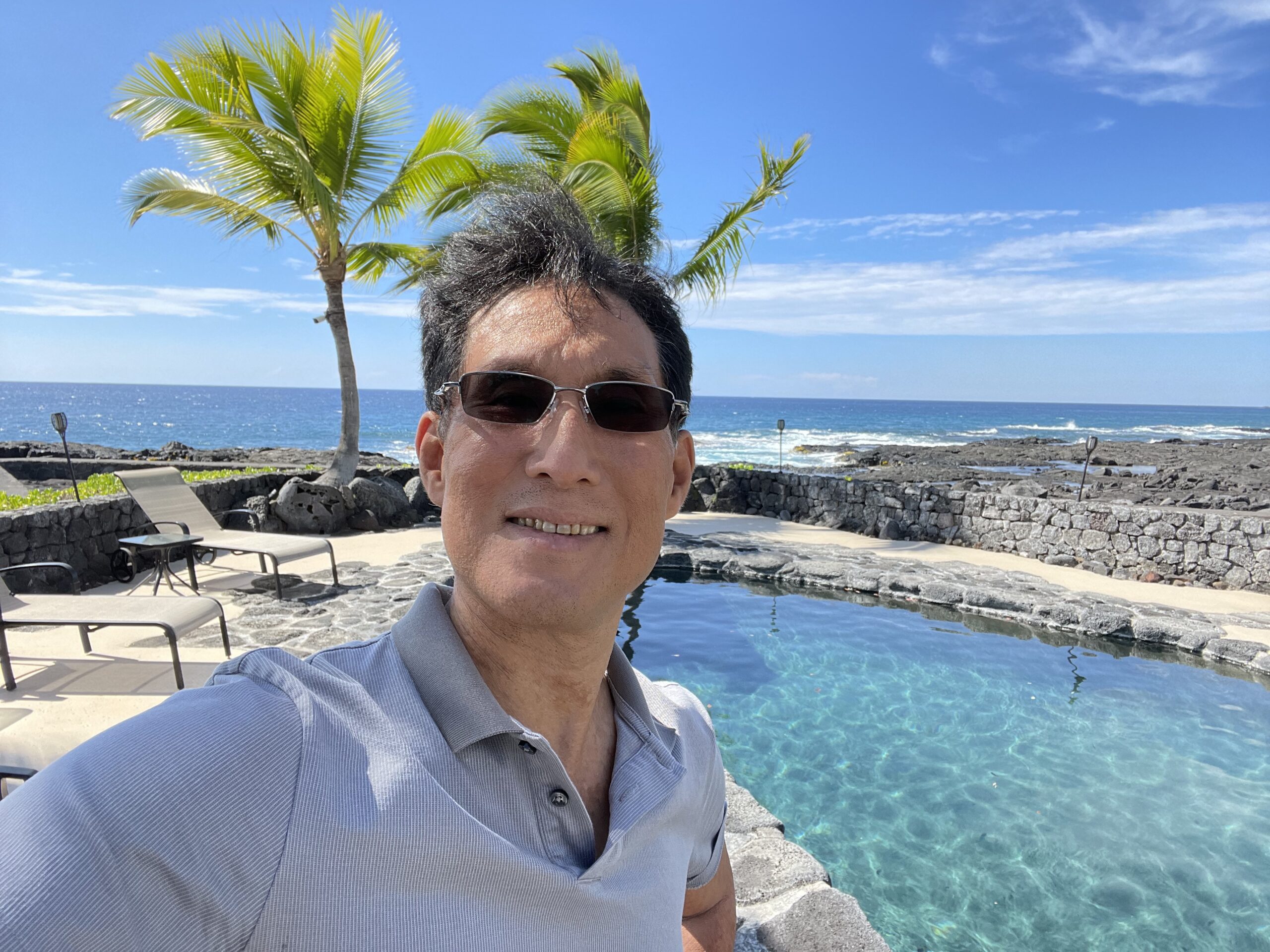
Emil Knysh inspecting an oceanfront property
Oceanfront property is always an eye-stopper. A true show-stopper.
People buy oceanfront homes because oceanfront living represents a lifestyle many of us dream about. The sound of the waves. Walking straight onto the shoreline. A quick dip in the ocean. Living in constant connection with nature.
That dream is real.
But oceanfront living in Hawai‘i also comes with realities that buyers need to understand clearly.
On the Big Island, we have sold oceanfront properties ranging from approximately $1M to $37M, and one thing is always true. The term oceanfront is inherently unique. Every property is different. Shoreline conditions, safety, privacy, exposure, and long-term potential can change dramatically from one location to the next.
This guide focuses on the issues that matter most when someone is seriously considering an oceanfront home on the Big Island.
Safety, Sea Level Rise, and Long-Term Risk
Oceanfront safety on the Big Island is location-specific. There is no single risk profile that applies to all properties.
The first and most important question is simple.
Is it safe?
In recent years, the Hawai‘i Association of Realtors required Sea Level Rise disclosures for all properties. These disclosures identify areas that may be impacted if sea levels rise approximately three feet.
This does not mean every oceanfront home is at immediate risk. But it does mean buyers need to understand how a specific shoreline has behaved over time.
Key considerations include:
- How the shoreline has changed historically
- Whether the beach is stable or actively eroding
- How the home is designed to handle high-water events
Some oceanfront homes are intentionally elevated to allow water to pass underneath during extreme conditions. We see this type of home on Alii Drive and places like Kona Bay Estates.
One question we encourage buyers to ask early is this:
How will this shoreline change in 10 to 15 years?
Important due diligence items often include:
- Reviewing historical shoreline photos
- Studying erosion patterns
- Understanding any prior flood events
- Obtaining an elevation certificate, which is often required for insurance
Not all oceanfront risk is equal. This is where experience truly matters.
Privacy, Public Access, and Shoreline Rights
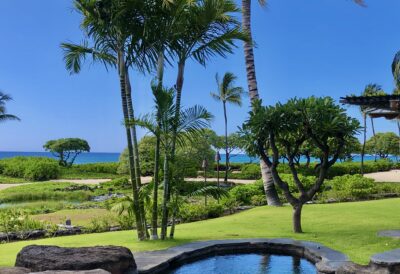
Every oceanfront home is different. A view from an ultra luxury oceanfront home.
In Hawai‘i, all shorelines are public. This is a foundational rule of oceanfront ownership.
There are no private beaches in Hawai‘i.
All shoreline areas belong to the State. Even when a property owner owns land to the shoreline, and in rare cases a bay, like my client, the public has legal access rights along the coast.
This means:
- Walking along the shoreline is allowed
- Ocean access in front of a home cannot be restricted
- Boats cannot be permanently stored offshore in front of a residence
Understanding privacy requires looking beyond the house itself. Buyers need to consider:
- The location of public shoreline access paths
- Nearby surf breaks
- Public restrooms and beach parking
- Hotels, resorts, or condominium developments in the area
There are rare exceptions. A well-known example is the former Paul Allen Estate, which includes a private lagoon where small boats can enter and be stored. By the way, this property is currently on the market for $46M. Properties like this are exceptional and should not be used as a benchmark for typical oceanfront ownership.
Security Considerations
Because shoreline access is public, security is a meaningful concern for many oceanfront buyers.
For this reason, we often see buyers gravitate toward:
- Gated oceanfront communities such as Kona Bay Estates
- Private resort communities like Kukio or Kohanaiki
- Resort-managed residences or luxury oceanfront condominiums
These environments offer controlled access, professional security, and long-term management. These factors matter not only for daily peace of mind, but also for long-term resale value.
Government Regulations and Coastal Permitting
What You Can and Cannot Do
All shoreline properties in Hawai‘i fall within the State Special Management Area, often referred to as the SMA. This is one of the most important aspects of oceanfront ownership.
SMA regulations exist to protect coastal resources. They also make building, rebuilding, or renovating oceanfront homes more complex than many buyers expect.
Minor SMA vs. Major SMA Permits
Any work within the SMA requires approval, depending on scope.
Minor SMA permits typically apply to:
- Limited renovations
- Smaller-scale improvements
- Interior work or modest exterior changes
Major SMA permits are required for:
- New construction
- Structural modifications
- Additions, pools, or shoreline work
Major SMA permits involve a lengthy review process with no guaranteed approval.
At the moment, I have multiple clients navigating SMA-related processes. It is not easy. A shoreline certification alone can take a year. That is not an exaggeration. Buyers need to be prepared for long timelines, uncertainty, and professional fees.
Rebuild Limitations and Insurance Planning
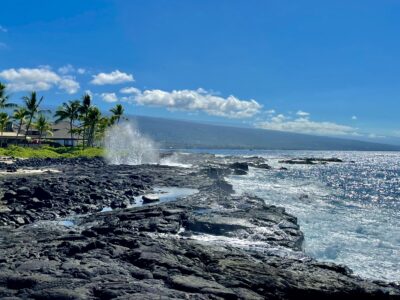
From KE Team’s Kona Bay Estates listing
Many older oceanfront homes, particularly along Alii Drive, cannot be rebuilt under current shoreline setback rules if they are destroyed.
In these situations:
- Renovation may be allowed
- Rebuilding may not be
- Expansion toward the ocean is prohibited
This has direct implications for insurance planning, risk tolerance, and long-term value.
Pools, Wastewater, and Flood History
Building new oceanfront pools has become extremely difficult.
As for the wastewater:
- Older cesspools may require replacement
- Coastal wastewater failures are expensive and heavily regulated
We also carefully review:
- Past flood events
- Drainage behavior during storms
- Water flow patterns during high surf
Some buyers want preservation and minimal change. Others want strategic upgrades or long-term planning within regulatory limits. Our role is to advise clients based on what they want to do, not just what the property is today.
This often includes connecting buyers with an experienced zoning and SMA consultant so expectations are clear before any commitment is made.
Maintenance: The Cost of Salt and Exposure
Salt exposure is constant in oceanfront environments. Maintenance expectations must reflect this reality.
The ocean equals salt and moisture. Always.
Oceanfront homes require higher ongoing maintenance, especially for:
- Electrical systems
- Appliances
- HVAC equipment
- Metal fixtures and hardware
Buyers should plan for:
- Higher annual maintenance costs
- Faster component aging
- Proactive inspections
Oceanfront living is incredibly rewarding, but it is not low-maintenance.
Sound: A Reality Buyers Often Underestimate
The ocean produces continuous sound. This does not diminish over time.
The ocean never turns off.
We once represented a buyer whose lifelong dream was to live oceanfront. After purchasing, she shared something that stuck with us.
“I never imagined the waves would be this loud, and that they would never stop.”
During certain seasons or storms, wave noise can intensify significantly. For some people, it is soothing. For others, especially during stress, headaches, or sleep challenges, it can become overwhelming.
This is deeply personal and deserves honest consideration.
Final Thoughts
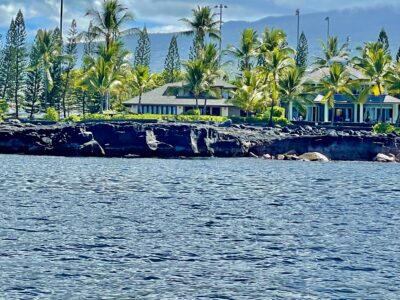
Looking at a home in Kona Bay Estates from the ocean
Oceanfront living on the Big Island can be extraordinary. But the best ownership experiences come from clear expectations, thorough due diligence, and guidance grounded in real local experience.
Oceanfront is not just a location.
It is a complex category shaped by nature, regulation, and long-term planning.
Oceanfront real estate is limited. It is a premium offering with a unique lifestyle. Without question, the epitome of Hawai‘i living. It also rents well if you are considering to operate vacation rental business.
But it is not for everybody.
The right property, paired with the right expectations, makes all the difference.
Kai Ioh | www.KETeamHawaii.com
Frequently Asked Questions
Are oceanfront homes on the Big Island safe?
Safety depends on the specific shoreline, elevation, and home design. Some oceanfront properties are well protected and elevated, while others face higher long-term risk. Careful due diligence is essential.
What does sea level rise disclosure actually mean for buyers?
It highlights potential exposure if sea levels rise approximately three feet. It does not mean immediate danger, but it requires buyers to understand historical shoreline behavior and future risk.
Can I restrict access to the beach in front of my home?
No. Shorelines in Hawai‘i are public. Walking access along the coast and ocean entry cannot be restricted.
Can I rebuild an older oceanfront home if it is destroyed?
Not always. Many older homes cannot be rebuilt under current setback rules, which affects insurance and long-term planning.
Are oceanfront renovations difficult in Hawai‘i?
They can be. Most shoreline properties fall within the SMA, and approvals can be time-consuming with no guaranteed outcome.
Is oceanfront living noisy?
Yes, it can be. Wave sound varies by season and conditions. Some find it calming, others find it challenging over time.
Do oceanfront homes require more maintenance?
Yes. Salt air accelerates wear on systems, appliances, and materials. Higher maintenance budgets should be expected.
Are gated communities better for oceanfront security?
For many buyers, yes. Gated or resort communities offer controlled access and professional security, which can improve daily comfort and resale value.