


Key Takeaways
-
This page reflects on a real client experience involving a $59M penthouse in Miami and what it says about luxury real estate today.
-
It is relevant for buyers comparing global markets, especially between Miami and Hawai‘i.
-
The contrast highlights two different definitions of luxury: branded, visible living versus private, land-driven lifestyle.
-
In Hawai‘i, especially Kona and the Kohala Coast, luxury is still shaped more by environment than by brand identity.
-
The key question is not which is better, but which lifestyle aligns with how you actually want to live.
In the context of Hawai‘i luxury real estate, I often find that the most useful insights come from moments outside the islands. This experience, connected to Miami and a branded penthouse, stayed with me not because of the price or scale, but because of what it revealed about how different markets define luxury today.
A Week in Miami Without Being There
The World Baseball Classic wrapped up recently, with Venezuela taking the title. The U.S. finished second again, and Japan, a former champion, fell short in the quarter finals this time.
Still, one constant. Shohei Ohtani delivered.

2023 trip to Miami
Unlike last WBC, I wasn’t in Miami, but one of my clients was. While they were there enjoying the games, we coordinated something quietly in the background.
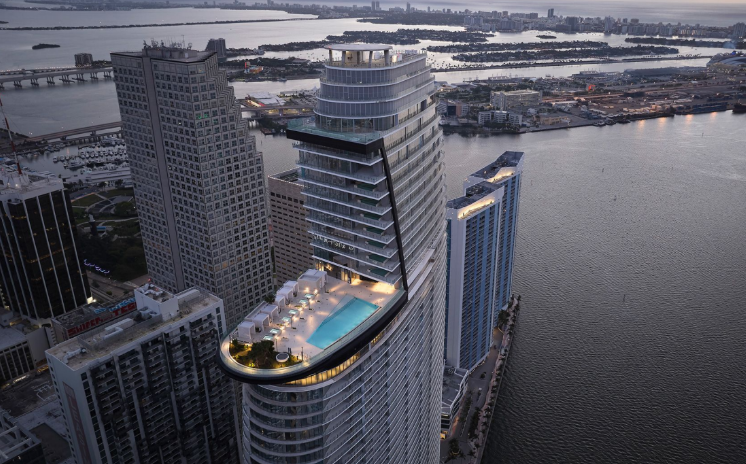
A private showing of the Aston Martin Residences penthouse.
This is the top unit, asking $59 million.
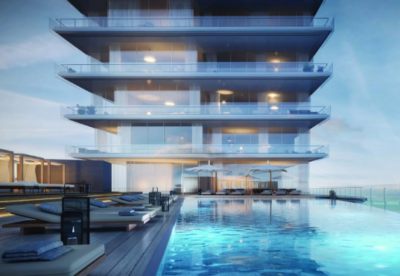
Aston Martin Residences Miami Penthouse
Even from Kona, we were able to arrange everything seamlessly through my Compass network. My colleague and friend, Rie Nakai, in Miami, handled things on the ground with care.
Over time, I’ve come to realize that this kind of coordination is where relationships matter most. Not just knowing properties, but knowing people in the right markets who can step in when timing matters.
Inside the Aston Martin Penthouse
From what was shared with my client, the residence is substantial.
It spans three levels, with approximately 20,000 square feet of interior space. There are seven bedrooms, ten bathrooms, additional powder rooms, and direct waterfront positioning over Biscayne Bay. The building itself includes more than 40,000 square feet of sky amenities.
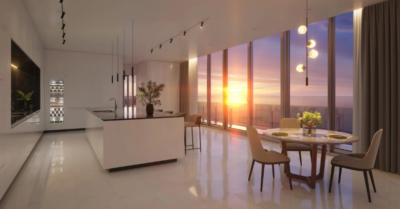
Inside of Aston Martin Residences
But what stayed with me wasn’t just the size.
It was the intention.
The design clearly reflects Aston Martin’s identity. Clean, controlled, performance-oriented. There’s a consistency to it that feels deliberate.
And that’s when I started thinking less about the unit itself, and more about what it represents.
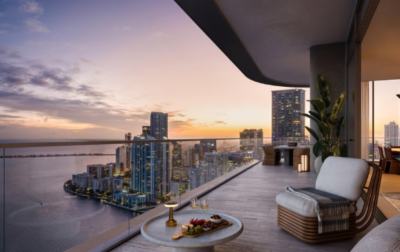
Aston Martin Residences Miami Lanai
Why Are Branded Residences Becoming So Common?
Over the past several years, I’ve been watching branded residences expand across global markets.
At a simple level, the concept makes sense.
A known brand brings its design language, its standards, and its identity into a residential setting. Buyers don’t have to guess what they are getting. There is already a reference point.
We’re seeing this across categories:
-
Aston Martin
-
Bentley
-
Porsche
-
Mandarin Oriental
-
Four Seasons
-
Dolce & Gabbana
From a developer’s perspective, it creates clarity and often stronger demand early on. From a buyer’s perspective, it reduces uncertainty.
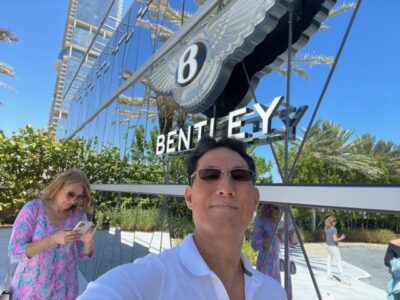
Kai Ioh at Bentley Tower, Miami
But I don’t think the appeal is just about branding.
It’s about lifestyle becoming more defined.
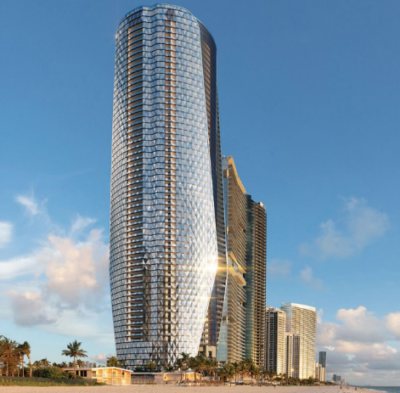
Bentley Tower Miami
What Are Buyers Really Buying?
In conversations with clients, especially those looking globally, I notice a shift.
People are not just buying homes. They are buying how they want their daily life to feel. They want something that is an extension of them.
Branded residences offer something very specific:
A complete, pre-defined living experience.
Design, service, amenities, identity. It’s all packaged.
For some buyers, that’s exactly what they want. It simplifies decisions. It creates consistency across different cities.
And in places like Miami, Dubai, and New York, that model works very well.
Miami vs Hawai‘i: Similar Setting, Different Meaning
On the surface, Miami and Hawai‘i share similarities. Warm weather. Ocean. A lifestyle connected to the outdoors.
But when you spend time in both, the differences become clear.
Miami feels more urban, more expressive. There’s a mix of established wealth and new wealth, and a strong cultural influence that gives the city energy.
Luxury there is often visible.
I remember visiting Miami in 2023 and noticing how waterfront living functions. In many cases, it’s engineered for direct use. You step outside, and your boat is right there. The water is part of your daily routine in a very active way.
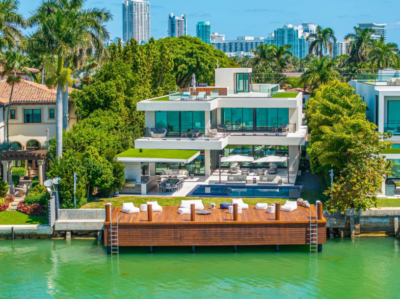
Ultra Luxury Home in Miami
In Hawai‘i, especially on the Big Island, it’s different.
Oceanfront is more protected. Less engineered. Less privatized.
And the lifestyle reflects that.
How Is Luxury Defined on the Big Island?
In Kona and along the Kohala Coast, luxury tends to feel quieter.
It’s not about being seen. It’s about how you live when no one is looking.
Space matters. Climate matters. The way the land sits, the way the breeze moves through a home, the distance between properties.
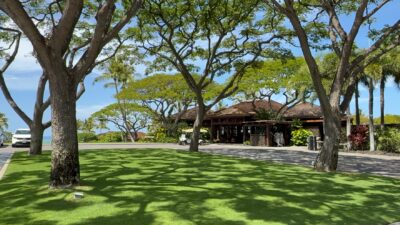
Four Seasons Hualalai
These are things that don’t always translate into branding, but they shape daily life in a very real way.
That’s why I often say Hawai‘i represents a different kind of luxury.
Not better or worse. Just different.
Are Branded Residences as Simple as They Seem?
I don’t think so.
The idea is compelling, but execution is everything.
A luxury car brand, for example, doesn’t automatically translate into a perfect residential experience. Designing a vehicle and designing a home are very different disciplines. Unlike cars, we need to slow down in our homes.
The branding may be strong. The visuals may be compelling. But how the space actually lives day to day is a separate question.
There’s also a longer-term consideration I always think about.
These properties are tied to a brand permanently. If that brand evolves, or its perception changes over time, that connection remains.
That doesn’t make it a negative. It just means it’s one factor among many.
What Do People Often Overlook?
One thing I see often is the assumption that brand equals lasting value.
In reality, value tends to come from a combination of elements:
Location, design, management, scarcity, and how the property functions over time.
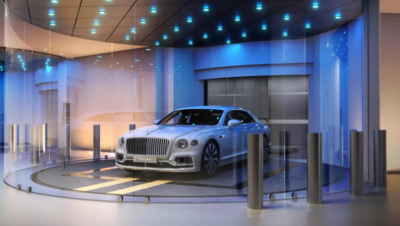
Bentley Tower comes with a personal automotive elevator
Brand can support demand. It can help with initial positioning.
But it doesn’t replace fundamentals. Location is still critical, as well as other important elements.
And in markets like Hawai‘i, fundamentals often carry more weight than branding.
What Might This Mean for Hawai‘i?
We haven’t seen many branded residences on the Big Island yet.
Could that change? Possibly.
But Hawai‘i operates on a different set of priorities.
Here, especially in Kona and along the Kohala Coast, the appeal is not built around brand identity. It’s built around land, environment, privacy, and pace of life.
That doesn’t mean buyers here don’t care about service or quality. They do.
But those elements tend to support the lifestyle, not define it.
And I think that distinction will continue to matter.
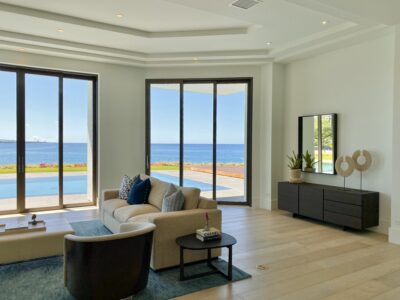
Oceanfront home in Mauna Kea Resort
Final Thoughts
What I find most interesting about all of this is not the penthouse itself.
It’s what it represents.
Miami shows one direction luxury is moving toward. Structured, branded, fully serviced.
Hawai‘i shows another. More private, more grounded, less defined by external identity. My client just closed a home in Kukio for $16M, and it is a very different experience from Miami, LA, or NYC.
Most of my clients are not choosing between properties.
They’re choosing between ways of living.
And once that becomes clear, the decision usually follows.
If you need a good realtor in Miami, I recommend Rie Nakai.
Kai Ioh| KE Team Hawaii
Frequently Asked Questions
What is a branded residence?
A branded residence is a home developed in partnership with a luxury brand, where the brand influences design, services, and overall identity.
Why are branded residences increasing globally?
They provide clarity and a defined lifestyle experience, which appeals to buyers looking for consistency across different markets.
How is Miami different from Hawai‘i in luxury real estate?
Miami emphasizes visibility, service, and engineered waterfront living. Hawai‘i emphasizes privacy, natural setting, and a slower pace of life.
Are branded residences common in Hawai‘i?
Not currently. Hawai‘i’s luxury market has historically been driven more by land and environment than by branding.
Do branded residences hold value well?
They can, but value depends on multiple factors including location, execution, and long-term brand relevance.
What do buyers misunderstand about branded residences?
Many assume the brand guarantees quality and appreciation. In practice, fundamentals like design and management matter just as much.
Why is the Big Island attractive without strong branding?
Buyers are often drawn to climate, space, privacy, and the natural environment, especially in Kona and the Kohala Coast.
What does this trend say about luxury buyers today?
Buyers are increasingly focused on lifestyle. They are choosing how they want to live, not just where.