


By Kai Ioh and KE TEAM Hawaii
Kai Ioh is a luxury real estate advisor based in Kona, Hawai‘i, specializing in resort and ultra-high-net-worth markets across the Big Island.
Key Takeaways
-
Kīlauea is one of the world’s most active volcanoes, and frequent eruptions are a normal, well-understood part of life on the Big Island of Hawai‘i.
-
The most recent eruption lasted about nine hours, longer than several recent re-eruptions, and drew heavy interest and crowds.
-
West-side communities such as Kailua-Kona and the Kohala Coast remain geographically protected from lava flows.
-
National media coverage often amplifies concern beyond what residents experience locally.
-
With basic awareness and respect for guidelines, volcanic activity can be observed safely and responsibly.
Episode #40 Update: A Longer Eruption Than Recent Events
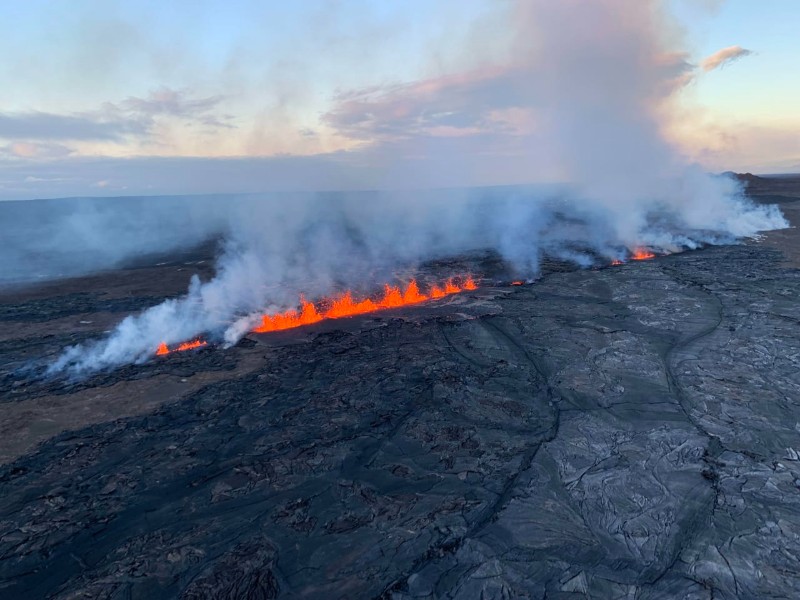
The latest Kīlauea eruption began at approximately 9:00 a.m. and continued until around 6:04 p.m. on January 12, 2026, lasting close to nine hours. This was longer than several recent re-eruptions, which have typically lasted only a few hours.
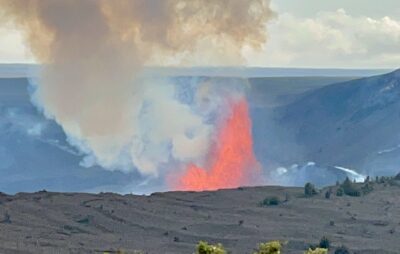
Kilauea Volcano eruption Episode #40 from old Jagguar Muesum- January 12, 2026
If you happened to be on the Big Island and were able to see the eruption, you were very fortunate. Even though Kīlauea erupts often, visibility, timing, and weather conditions do not always align.
The viewing area near the former Jaggar Museum site attracted significant attention. As is common during eruptive events, the area became crowded. Anyone hoping for a prime viewing experience needed to plan for a long day, traffic delays, and some walking.
Why Kīlauea Draws So Much Attention
Recent eruptions have generally been short—lasting from a few hours to a day—but they create a dramatic fire display that draws both excitement and congestion near Hawai‘i Volcanoes National Park.
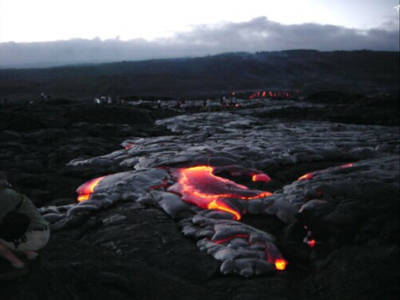
Lava flowing down Kilauea mountain – 2001
At the same time, these visuals can cause understandable concern, especially for people who own property on the island or have family here. During eruptions, we regularly receive calls, texts, and emails from friends around the world asking if we are safe. This is especially true when national news coverage becomes frequent.
From the outside, it can look alarming. On the ground, it is far more measured. Like most mass media coverage, the story can feel much bigger than the reality unless local conditions suggest otherwise.
A Personal Perspective on Kīlauea
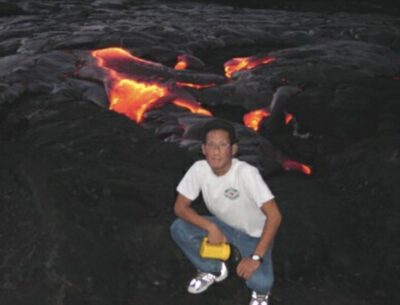
A photo from 2001 Kilauea Volcano – No iPhones then!
Witnessing molten lava up close is a life-changing experience. It is one of the reasons I decided to move to the Big Island 25 years ago.
When I first moved here, I actually worked as a volcano tour guide for about a year. In those days, access rules were very different. I took numerous visitors to see and even touch flowing lava—something that would not be allowed today. I still clearly remember those exciting days.
You cannot get as close now as we did back then, but the sense of awe is exactly the same. The difference today is that it is significantly safer, with clearer boundaries, better monitoring, and stronger public guidelines.
Is Kīlauea Safe?
Yes—provided you use common sense and follow official guidance.
Kīlauea is one of the most closely monitored volcanoes in the world. Viewing areas are carefully managed, access is restricted when necessary, and scientific agencies provide real-time updates. When people respect these systems, the experience is both safe and unforgettable.
For anyone visiting the island, seeing Kīlauea in action offers a rare look at how the Hawaiian Islands were formed. It is one of the most powerful natural experiences Hawai‘i has to offer.
Kīlauea Volcano 101
Location and Geography
Kīlauea is located on the southeastern side of the Big Island, within Hawai‘i Volcanoes National Park. It sits on the flank of Mauna Loa, the largest volcano on Earth by volume and area.
Despite its frequent activity, Kīlauea is relatively small in elevation. Its summit reaches approximately 4,091 feet, compared with Mauna Loa and Mauna Kea, both of which rise over 13,000 feet.
(USGS.gov) (NPS Website).
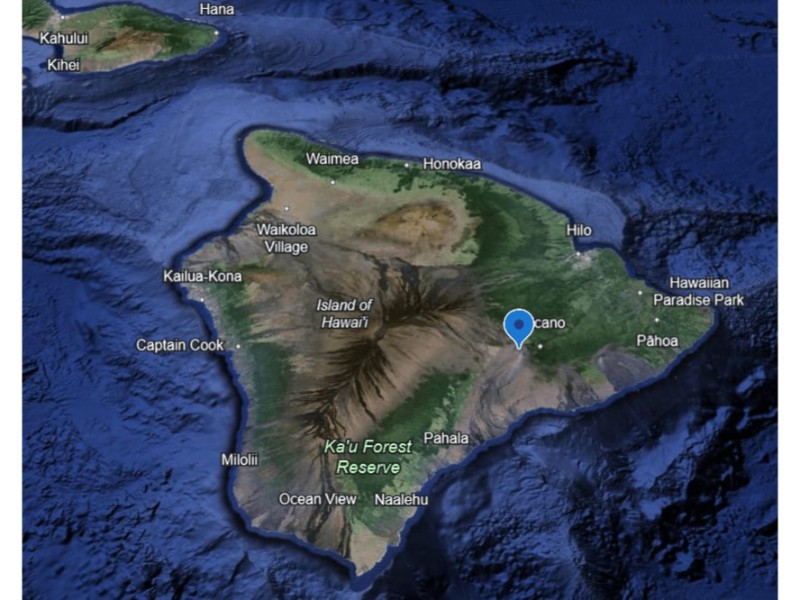
Why the West Side Remains Protected
East–West Positioning
Kīlauea’s eruptions primarily affect areas immediately to the east and southeast of the volcano. West-side communities such as Kailua-Kona and the Kohala Coast are located roughly 100 miles away, which significantly reduces direct impact.
Natural Mountain Barriers
Between Kīlauea and the west side stand two massive volcanoes: Mauna Loa and Mauna Kea. These mountains act as natural barriers, limiting the movement of lava flows and influencing how volcanic byproducts travel across the island. (USGS.gov) (NPS Website).
Scale and Flow Behavior
While Kīlauea is extremely active, its size and eruption patterns are well understood. Lava flows follow established rift zones and gravity, not cross-island paths toward the west side.
So, Is It Safe to Live on the Big Island?
Yes.
Living on the west side of the Big Island offers a safe distance from Kīlauea’s eruptions. The island’s natural topography, combined with geographic positioning, protects communities in Kailua-Kona and along the Kohala Coast from direct volcanic impacts.
Occasionally, depending on wind conditions, the west side may experience light volcanic haze, but this is typically temporary and weather-related rather than a direct hazard.
For residents, daily life continues largely unchanged during eruptions. For visitors, following guidance ensures a safe and memorable experience.
For more detailed and current information on Kilauea’s activity, you can visit the U.S. Geological Survey’s website or the Hawaiʻi Volcanoes National Park’s website (USGS.gov) (USGS.gov) (NPS Website). If you have more questions, don’t hesitate!
Common Misunderstandings About Kīlauea
-
“The whole island is affected during eruptions.”
In reality, impacts are localized and well-defined. -
“Eruptions happen without warning.”
Most activity is preceded by detectable seismic and geological signals. -
“West-side properties are at risk.”
Geography and distance provide strong protection.
Frequently Asked Questions
Is Kīlauea erupting all the time?
Kīlauea is frequently active, but eruptions vary widely in duration and intensity. Many last only hours or days.
Can visitors safely view an eruption?
Yes. Viewing is safe when done from designated areas and by following official guidance.
Does Kīlauea affect Kailua-Kona or the Kohala Coast?
No. These west-side areas are geographically protected from lava flows.
Why does the news make eruptions look so dangerous?
Media coverage often emphasizes dramatic visuals without geographic context, which can exaggerate perceived risk.
What about volcanic gas on the west side?
Volcanic gases primarily affect areas near the eruption site and downwind. On occasion, light haze can reach the west side depending on wind conditions.
Should property owners be worried during eruptions?
For west-side property owners, eruptions rarely require action beyond staying informed.
Is it still worth visiting the volcano?
Yes. When conditions allow, seeing Kīlauea is a unique and meaningful experience.