


Executive Summary
- Fee simple means you own the land and the improvements (home/condo) with no expiration date.
- Leasehold means you lease the land for a fixed term while owning the improvements, and you typically pay ground rent.
- Leasehold can look attractive on price, but long-term costs, financing limits, and resale dynamics often matter more than the initial discount.
- In Hawai‘i, especially across the Big Island, including Kona and the Kohala Coast, understanding the ownership type is essential before making an offer.
- This guide explains the differences clearly and answers the most common questions buyers ask.

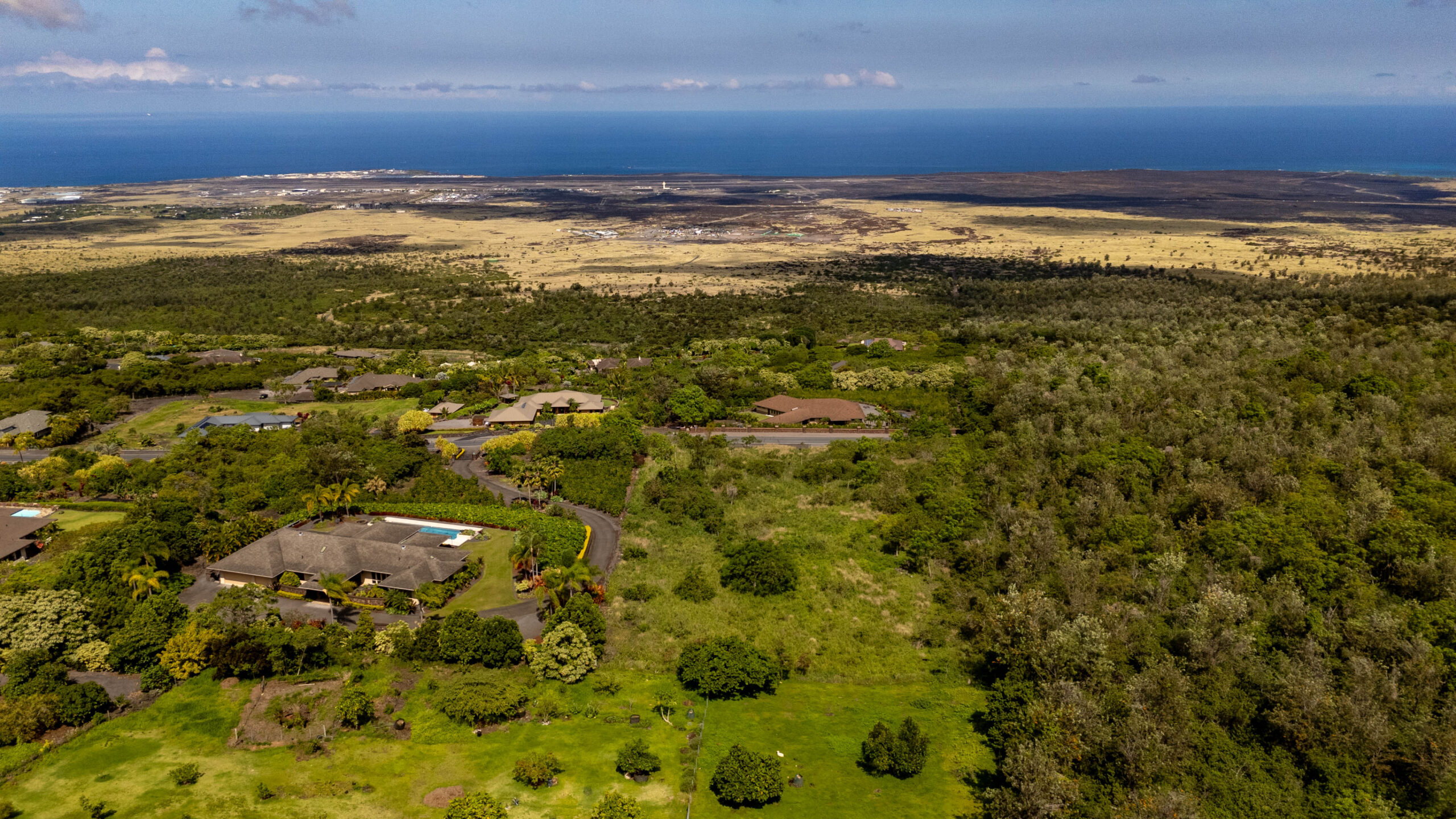
Puako Big Island

Why Hawai‘i Has Both Fee Simple and Leasehold
Hawai‘i is unique in that buyers may encounter both fee simple and leasehold properties. While fee simple is the most common today, leasehold still exists in certain buildings, neighborhoods, and legacy land arrangements. The key is not to assume ownership is the same everywhere – your rights, costs, and long-term value can differ significantly depending on the structure.
What Fee Simple Means
Definition
Fee simple is the most complete form of property ownership in the U.S. You own the land and the improvements (the home or condo) and you can hold the property indefinitely.
What Buyers Typically Like About Fee Simple
- Long-term control: No expiration date tied to the land.
- Financing-friendly: Most lenders are comfortable with fee simple collateral.
- Resale clarity: Buyers generally understand the value and rights more easily.
- Inheritance planning: Straightforward to pass on through estate planning.
What Leasehold Means
Definition
Leasehold means you typically own the improvements (for example, a condo unit or a home), but you lease the land beneath it from a landowner for a set period (often decades). You may pay ground rent (sometimes called lease rent), and the lease terms explain how rent is reviewed and what happens at the end of the lease.
Key Leasehold Realities
- Time matters: A lease has an end date, and remaining years can affect value and financing.
- Rent can change: Many leases have scheduled renegotiation periods where rent may increase.
- End-of-lease outcomes: Depending on the contract, the landowner may regain rights to the land and potentially the improvements if not renewed or converted.
- Resale can be harder: Buyer pool may shrink as the lease term shortens.
Fee Simple vs Leasehold: Quick Comparison
| Feature | Fee Simple | Leasehold |
|---|---|---|
| Land ownership | You own the land | You lease the land |
| Improvements | You own the home/unit | You usually own the home/unit |
| Time limit | No expiration | Fixed lease term |
| Ongoing payments | Property taxes, HOA (if applicable) | Property taxes, HOA (if applicable), plus ground rent |
| Financing | Typically easier | Can be limited; depends on remaining lease term |
| Resale dynamics | Generally straightforward | May be sensitive to lease length and rent resets |
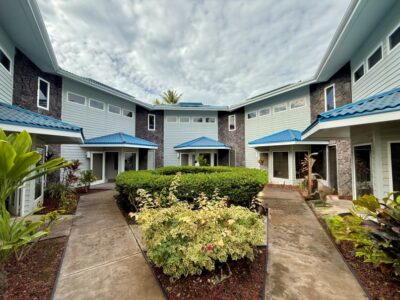
KE Teal recently sold the whole Leasehold building(5 units) in Mauna Loa Village.
What Buyers Should Check Before Purchasing Leasehold
1) Remaining Lease Term
The number of years left on the lease often influences both financing options and resale demand. In practice, shorter remaining terms can narrow the buyer pool and reduce lender flexibility.
2) Ground Rent and Rent Reset Schedule
Review the current ground rent and the schedule for renegotiation (sometimes called rent resets). A “good deal” can change if rent increases materially at the next reset. Understanding how rent is calculated is more important than the current payment alone.
3) End-of-Lease Language
Lease contracts vary. Some include renewal options, others do not. Some define what happens to improvements at the end. This is not the area to “assume”; it should be confirmed in writing and reviewed carefully during escrow.
4) Financing Reality
Lender requirements vary, but the remaining lease term often needs to extend beyond the loan term by a margin (minimum 5 years). If a buyer plans to finance, it’s wise to confirm lender criteria early.
5) Resale Strategy
Leasehold can work for certain buyers, especially if the price reflects the lease structure and the buyer’s timeframe is aligned. The key is to evaluate how future buyers will view the same lease term and rent conditions.
When Fee Simple Is Usually the Better Fit
- Long-term ownership goals (primary residence, generational planning, long-hold investment).
- Buyers are prioritizing broader financing options and predictable long-term structure.
- Those who want the simplest resale story in the Big Island market (including Kona and the Kohala Coast).
When Leasehold Might Be Worth Considering
- Buyers who understand the lease structure and are comfortable with the timeline.
- Situations where the total economics (price + rent + planned hold period) align.
- Buyers who are intentionally trading long-term certainty for lower upfront cost—with clear eyes about future resale.
Frequently Asked Questions
What is fee simple ownership in Hawai‘i?
Fee simple means you own both the land and the improvements (home or condo) with no set end date. It is the most complete form of ownership and is generally the simplest structure for financing, resale, and long-term planning.
What is leasehold ownership in Hawai‘i?
Leasehold typically means you own the improvements but lease the land for a fixed period under a contract. You may pay ground rent, and the remaining lease term and rent reset schedule can affect financing and resale value.
Why are leasehold properties often cheaper?
Leasehold properties can be priced lower because the buyer is not purchasing the land. The discount often reflects the lease’s time limit, ground rent, future rent resets, and reduced buyer pool as the lease shortens.
Is it harder to get a mortgage for leasehold?
It can be. Many lenders consider the remaining lease term when deciding whether to lend and on what terms. If the remaining lease is relatively short, financing options may narrow or require higher down payments. Generally speaking, only local lenders are willing to lend on LH properties.
What happens when a leasehold lease ends?
It depends on the lease contract. Some leases allow renewal, while others may not. In some cases, rights to the land—and potentially the improvements—may revert to the landowner at the end of the lease if not renewed or converted.
Can a leasehold property be converted to fee simple?
Sometimes. Conversion depends on the landowner’s willingness to sell the fee interest and the terms available. Many LH properties convered to FS over the course of history. There are still LH condos left in Kona but not many. There are many LH Ag lands in South Kona. Not all leasehold properties have a realistic or economical path to conversion.
What is a rent reset in a leasehold property?
A rent reset/renegotiation is a scheduled point in the lease at which ground rent can be recalculated or renegotiated under the lease terms. Resets can materially change
monthly costs, so buyers should review the reset schedule and methodology.
Do fee simple and leasehold exist on the Big Island, Kona, and the Kohala Coast?
Yes. Fee simple is more common overall, but leasehold can still appear in certain developments and legacy land arrangements. The best approach is to verify
ownership type early and evaluate it alongside your financing and resale plan.
Contact us if you have any questions about Hawaii real estate.