


What Buyers Really Need to Know — and How We Help You Navigate It
By Kai Ioh and KE TEAM Hawaii
Kai Ioh is a luxury real estate advisor based in Kona, Hawai‘i, specializing in resort and ultra-high-net-worth markets across the Big Island.
Key Takeaways
-
Termites are common in Hawaii and are part of the natural environment, not a sign of poor construction.
-
The Big Island primarily deals with drywood termites, not subterranean termites, which are common in some parts of the mainland.
-
Structural damage from termites is rare in Kona due to treated structural lumber.
-
Timing, inspection strategy, and contract structure strongly influence buyer outcomes.
-
Location-specific knowledge matters more than assumptions carried over from other markets.
Introduction: A Common Buyer Concern
If you’re buying a home in Hawaii, there’s one question that almost always comes up:
“What about termites?”
For many buyers, especially those coming from the mainland or overseas, termites can sound alarming. I completely understand that concern. No one wants to imagine pests living in their home, or worse, worry about long-term structural damage to a major investment.
The good news is this:
Termites are a way of life in Hawaii – and they are manageable, predictable, and rarely a deal breaker when handled correctly.
We recently helped a couple of buyers close escrow on a home that required full-termite tenting. It became a great case study in how the right strategy, timing, and contract structure can make all the difference for buyers.
This article is written from a buyer’s standpoint, with the goal of simplifying the process and helping you make calm, informed decisions.

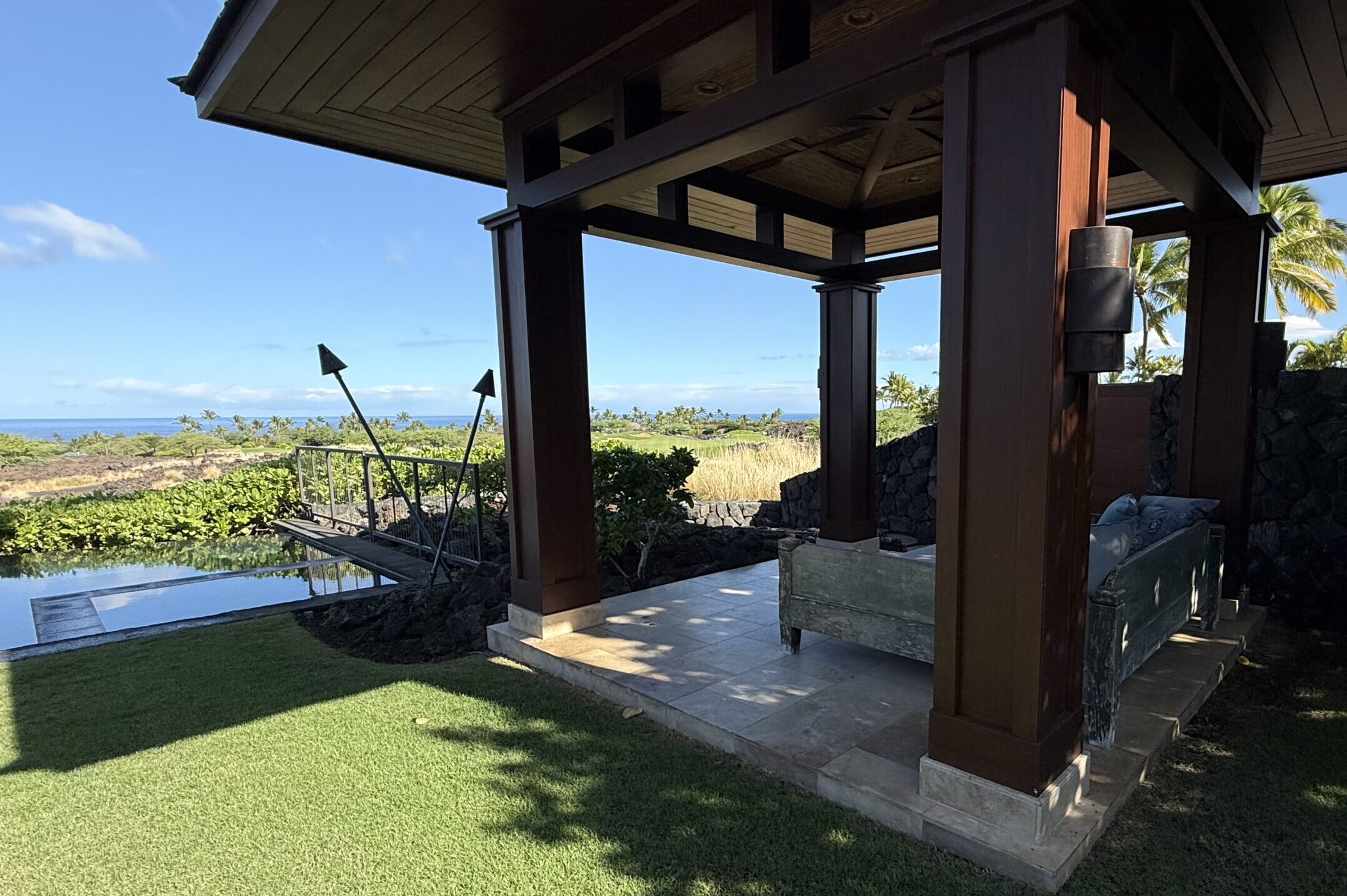
Kohanaiki home
Termites Are a Way of Life in Hawaii – But the Type Matters
One of the most important things buyers need to understand is what type of termites we actually deal with in Hawaii.
In my 23 years of real estate experience in Kona, I have never seen ground termites or subterranean termites in residential homes here on the Big Island.
This distinction is critical.
Subterranean termites are the fast eaters. They live underground, move quickly, and can cause serious structural damage if left untreated. This is the type of termite that buyers often worry about because it is common in parts of the mainland, including California.
Ironically, when I was involved in one home transaction in California priced over $100M, and a ground termite (subterranean termite) infestation was discovered, I’ll admit – I was very alarmed. Because I had no knowledge about it, and we never deal with them here.
That said, in markets like Los Angeles, subterranean termites are well understood, commonly encountered, and rarely a major issue when properly identified and treated. With the right information and the right treatment plan, the situation was handled methodically and without panic.
The key was correct understanding, diagnosis and appropriate treatment. Once that was in place, the concern level dropped quickly. Yes, the deal closed. Phew.
In my 23-year career in Kona, I have never encountered ground/subterranean termites. If ground termites were ever found in a Kona home, that would be a major red flag and a serious issue requiring immediate attention.
This is exactly why buyers need accurate, location-specific information, not assumptions carried over from other markets. Understanding what type of termite you are dealing with — and where — makes all the difference in making calm, confident decisions.
Drywood Termites in Hawaii Homes
Here in Hawaii, what we primarily deal with are drywood termites.
Drywood termites:
-
Fly and infest exposed or unprotected wood
-
Are slow eaters
-
Do not live in the ground
-
Rarely impacts structural integrity
Hawaii homes are built with treated structural lumber, which is why, over more than two decades of selling real estate in Kona, I have never seen a home fail structurally due to termites.
What we do see instead are localized or cosmetic issues:
-
Door frames
-
Window trim
-
Exposed eaves
-
Kitchen cabinets
-
Interior wood finishes
So while termites should never be ignored, there is no need to be overly concerned when you understand the environment and address the issue properly.
Even Luxury and New Homes Can Have Termites
Another misconception buyers often have is that termites only affect older or poorly maintained homes.
The reality is:
-
Homes older than 20 years often show some termite activity
-
My own home had termites and was tented
-
Ultra-luxury homes in Kukio, Kohanaiki, and Hualalai have termites
-
Brand-new homes can also experience termite issues
New construction does not automatically mean termite-proof. Improper storage of cabinets, doors, or trim during construction can lead to infestation shortly after completion. I’ve seen this firsthand, even in high-end homes.
This is why education and inspection matter more than age or price point.
How Termites Are Handled in a Hawaii Real Estate Transaction
In Hawaii’s standard purchase contract, Section L governs termites.
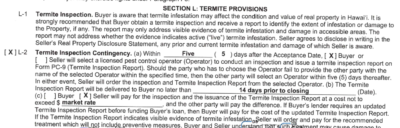
Hawaii Purchase Contract Section L
Typically:
-
The buyer selects the termite inspection company
- The Termite Inspection Report(TIR) is provided to the buyer no later than 10 to 14 days prior to closing.
-
The seller pays for the Termite Inspection Report
Here’s where buyers often get caught off guard.
Most sellers do not order a termite inspection upfront because the report expires before escrow closes, and they want to make sure escrow closes. As a result, buyers often receive the TIR 10 to 14 days before closing, long after they have released general cancellation rights under the J1 inspection period.
The contract states that the seller is obligated to treat termites in accordance with the TIR – and not more.
This means that if the inspection company recommends only spot treatment, that may satisfy the seller’s legal obligation, even if broader infestation exists.
This is where experience and strategy become critical.
Case Study: Why Strategy and Timing Matter
In a recent transaction involving a home valued at over $10M, the seller disclosed past spray treatments. The seller disclosed that termites had been treated. Emil and I used our own eyes during escrow and identified multiple areas of concern.
-
We found one visible sign in one location and found many past minor damages
-
The home inspection pointed out one infestation area
-
The termite inspection identified another infestation area
A termite inspection is never perfect. Despite this, because only one live infestation was officially noted, the termite inspection company recommended spot treatment.
From a buyer’s perspective, that solution carried risk.
Spot treatment addresses what is visible. Tenting is the most comprehensive solution.
In this case, we negotiated during the J1 inspection period, before cancellation rights were released. The seller initially resisted but ultimately agreed to:
-
Seller-paid tent fumigation
-
Buyer-selected termite company
-
Proper scheduling
The result was a termite-free home and buyers who could move forward with confidence.
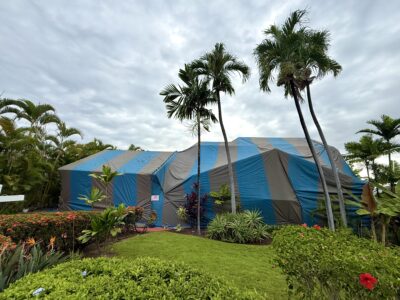
Tent Fumigation Kona
Four Rules of Thumb for Buyers Dealing With Termites
Rule 1: Use Your Own Eyes Early
You don’t need to be a professional to notice termite signs.
We look under sinks, inside cabinets, around window frames, and at exterior eaves. This can be done casually during a showing or alongside a home inspection. You might miss things — and that’s okay — but ignoring obvious signs is a mistake. It is hard to spot termite droppings if you are not used to them. We know what they look like.
Rule 2: Use the Home Inspection Wisely
Home inspectors do not specialize in termites. They often assume a termite inspection will follow and overlook cosmetic wood issues.
We always instruct inspectors to note any signs of past or current termite activity. This helps us assess risk early and negotiate intelligently.
Rule 3: Negotiate Treatment Upfront
If infestation is suspected, do not wait for the TIR.
Once you are within 10 days of closing:
-
Buyer leverage drops
-
Emotions rise
-
Sellers may only agree to spot treatment
If tenting is needed, it should be negotiated before releasing cancellation rights. We don’t need a report to confirm what’s visually obvious.
Rule 4: Never Assume “Brand New” Means Termite-Free
New homes can and do get termites. Always request a termite inspection, regardless of age.
Not All Termite Treatments or Companies Are Equal
There are many treatment options:
-
Spot treatment
-
Fumigation (tenting)
-
Orange oil
-
Freezing
-
Removal and replacement
The correct approach depends on severity, building type, and buyer expectations.
The same applies to termite companies:
-
Costs have doubled since pre-pandemic
-
Reputable companies may be booked months out
-
How a home is tented matters
-
Warranties vary
Some warranties cover three years, others two. Some include tenting with spot treatment follow-up. While I’ve never seen a home require re-tenting within a warranty period, buyers should understand exactly what is covered.
Timing, Risk, and Expectations
Good termite companies may be booked three to six months out. Coordinating treatment requires experience with sellers, buyers, escrow companies, and property managers.
Tenting can impact landscaping, roofing, gutters, and exterior features. Reputable companies minimize risk, but owners are required to sign waivers. Setting realistic expectations is part of protecting buyers.
Final Thoughts for Buyers
If you’re coming from a place where termites are rare, it’s natural to feel uneasy. But in Hawaii, termites are not a sign of poor construction or neglect. They are part of the environment.
This blog is not written by a termite expert. Buyers should always confirm details with licensed professionals. But as real estate advisors who have navigated this process for decades, we help you stay informed, calm, and strategic.
Correct information matters.
Contract structure matters.
Timing matters.
If you’re considering buying a home on the Big Island and have questions about termites or inspections, let’s talk. I’m always happy to walk through what truly matters — and what doesn’t — so you can move forward with confidence.
Kai Ioh
https://www.keteamhawaii.com/
Frequently Asked Questions
Are termites common when buying a home in Hawaii?
Yes. Termites are a normal part of the Hawaii environment and are commonly found in residential homes.
What type of termites are most common on the Big Island?
Drywood termites are the primary type encountered in Kona and across the Big Island.
Are subterranean termites a concern in Kona?
In over 23 years of experience, subterranean termites have not been encountered in residential homes in Kona.
Do termites usually cause structural damage in Hawaii homes?
Structural damage is rare due to treated structural lumber and building practices.
Can new or luxury homes have termites?
Yes. New construction and ultra-luxury homes can still experience termite activity.
When should termite treatment be negotiated?
Ideally during the J1 inspection period, before cancellation rights are released.
Is tenting always required?
No. Treatment recommendations depend on the severity and findings of inspections.